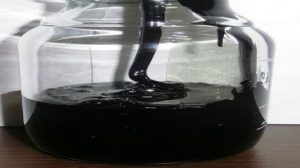
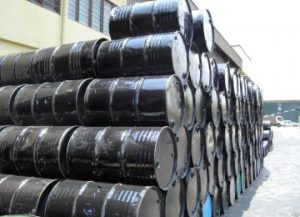
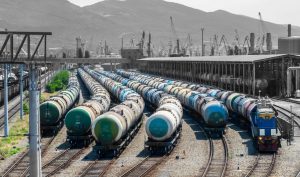
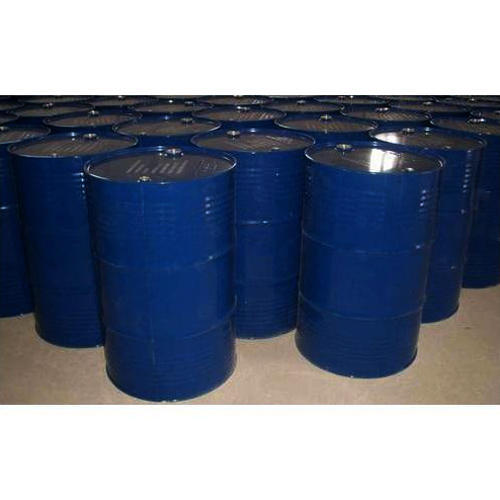
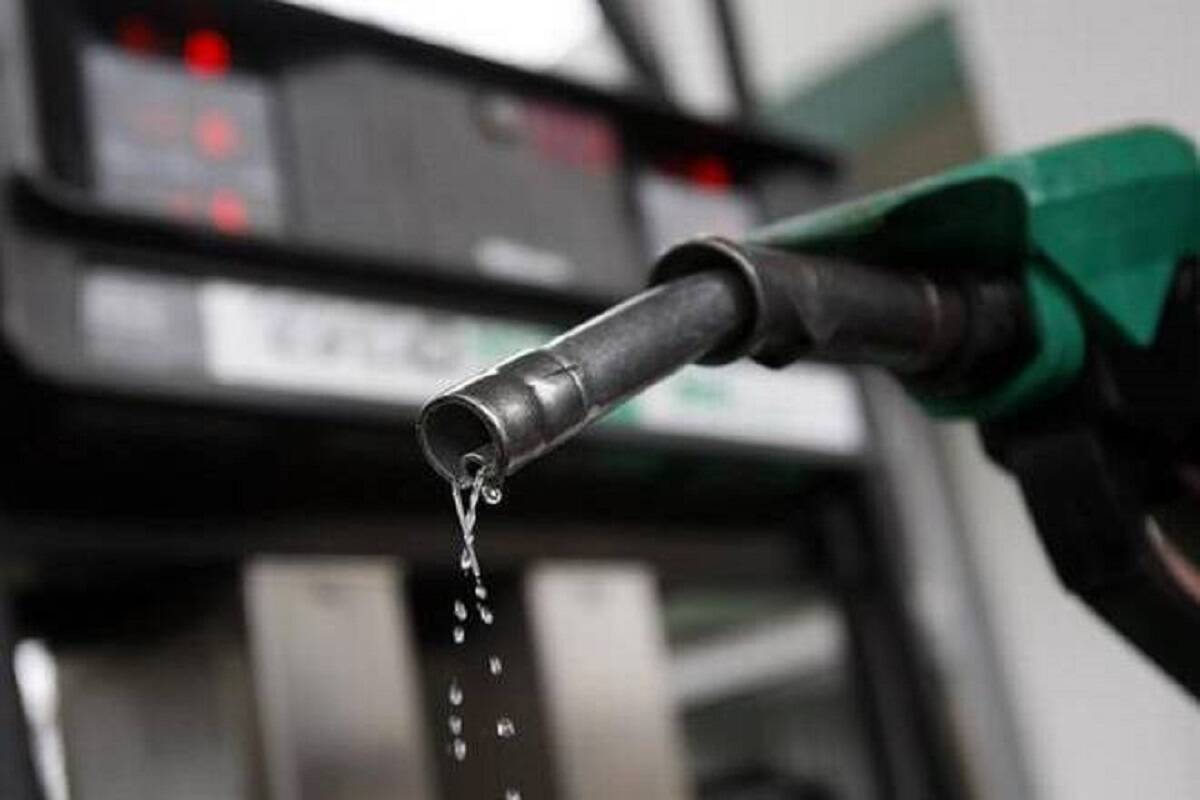
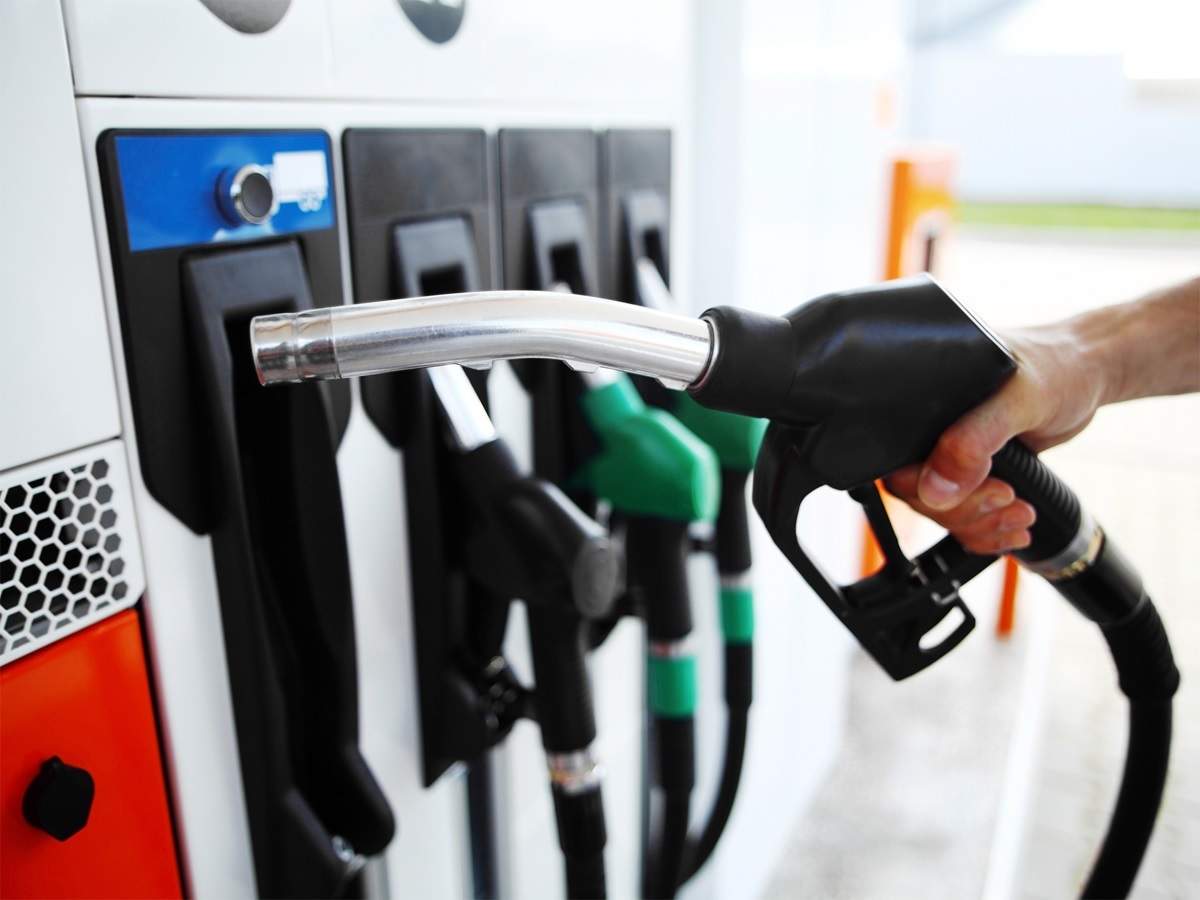
D2 stands for Gasoil Refinery.
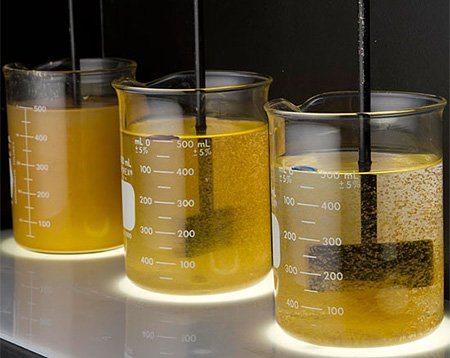
This is the second distilled crude oil and can be used without modifiers and additives.
Thus, the first engines used D2 as fuel – before the gasoline cars we know today.
Because the engine invented by a German named Diesel does not need spark plugs.
The diesel engine ignites with increasing pressure and burns so that the heated “fork” explodes.
The car diesel you fill has additives that the refinery adds to make the engine more efficient as well as easier to start in the winter.
If you use summer diesel in winter, you will have better mileage, but your fuel pipes may freeze and may also burst, and the wax may thicken the diesel flow.
The main differences in GASOIL or D2 are the sulfur content.
russian d2
Application
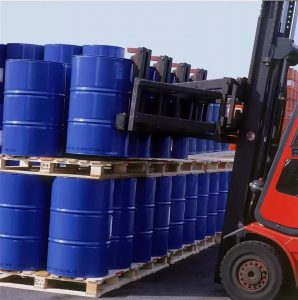
Used in diesel engines found in most trucks, trains, buses, boats, agricultural vehicles and construction engines.
Feed motors that we use to produce and transport almost all of our food and other products produced and purchased.
Some cars, vans and boats also have diesel engines.
Diesel fuel is also used in power generators.
Many industrial facilities, large buildings, institutional facilities, hospitals, and facilities have diesel backup generators and emergency power supplies.
russian d2 diesel
Buy russian d2 diesel
Petro Pars Arghavan Company has always put high quality products and
honesty in the field of global trade as its top priority for the development and progress of its customers.
Petro Pars Arghavan Company is active in the field of exporting various types of petroleum products, petrochemicals and is active.
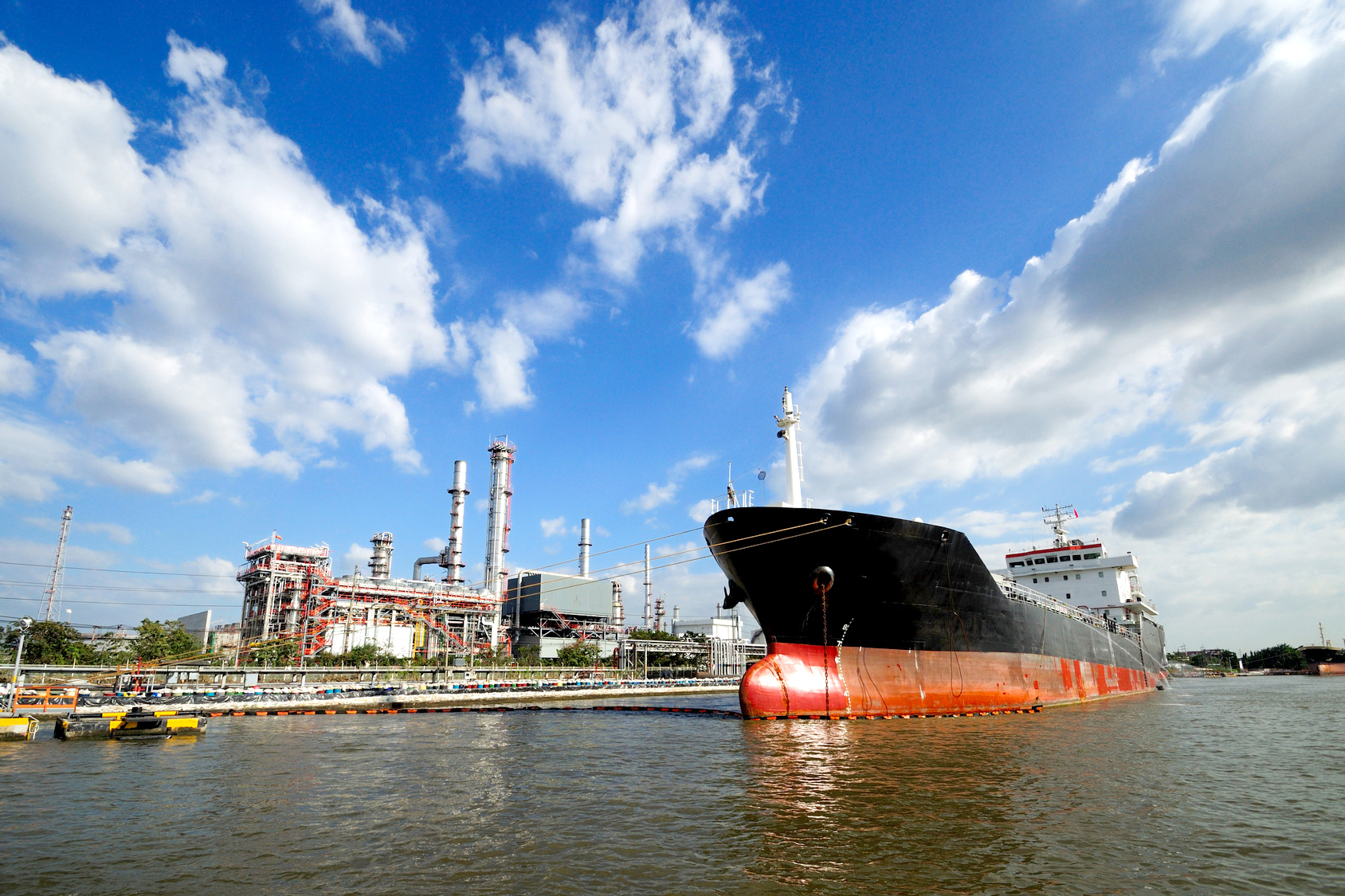
Petro Pars Arghavan Company is ready to supply D2 with the best price and the best conditions and send it to all safe ports of the world.
To order D2, you can send your updated LOI and BCL to the company email.
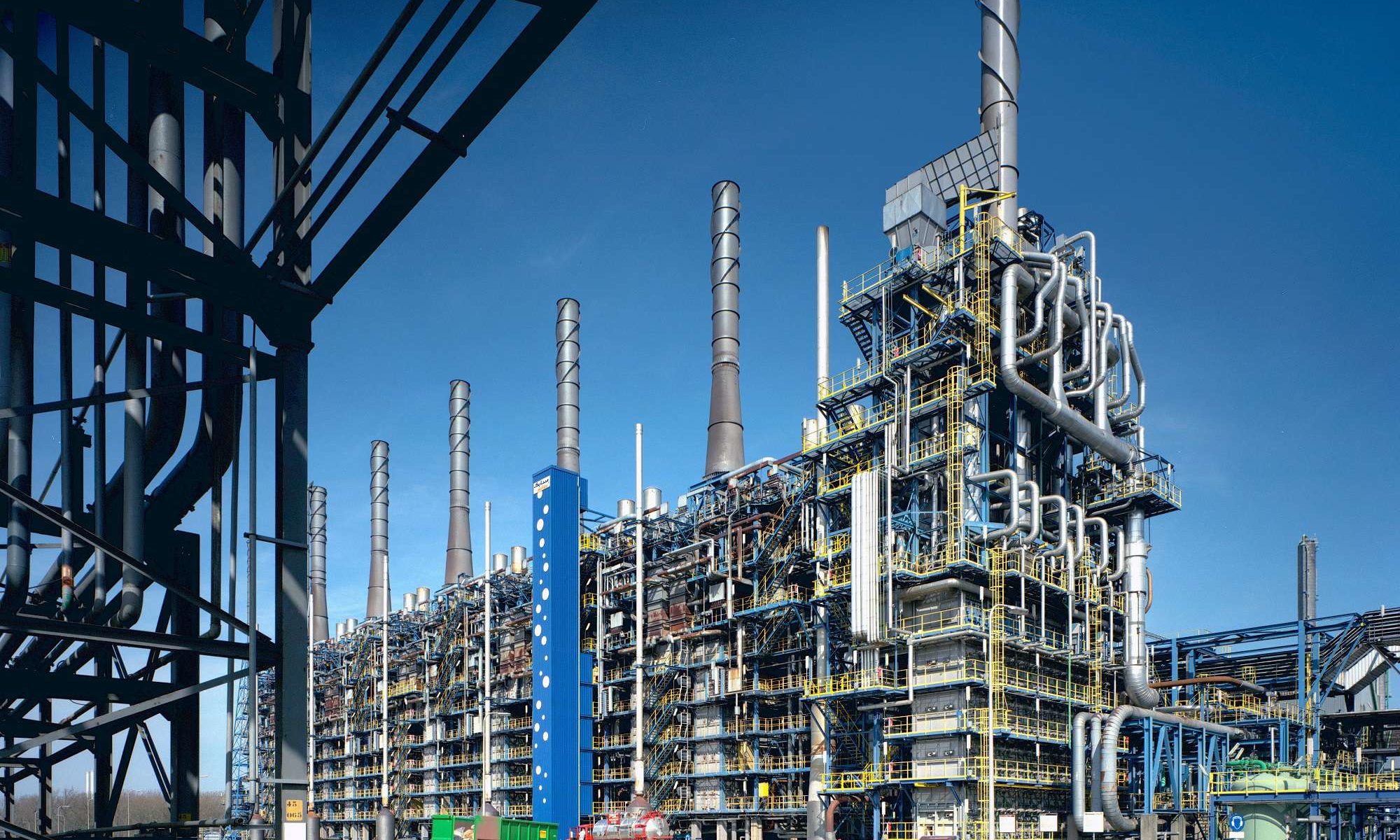
Gas oil is a fraction obtained from the distillation of oil.
This includes sweat – the lighter parts, and the rest – the heavier parts.
The term furnace oil generally refers to any liquid fuel that is burned in a furnace or boiler to generate heat, or used in an engine to generate power.
However, it usually does not include other liquid oils, such as oils with a flash point of approximately 42 ° C, or oils burned in cotton or wool burners.
More precisely, the term furnace oil refers only to the heaviest commercial fuels that crude oil can produce, that is, fuels that are heavier than gasoline (gasoline) and naphtha.
Fuel oils include long-chain hydrocarbons, especially alkanes, cycloalkanes, and aromatics.
Small molecules such as propane, naphtha, gasoline for automobiles and
jet fuel (kerosene) have relatively low boiling points and are removed at the beginning of the partial distillation process.
Heavier petroleum products, such as diesel fuel and volatile lubricating oils, are much less distilled and
slower, while petroleum is literally the bottom of the barrel.
In oil distillation, the only denser components of storage fuel are ferrous carbon raw materials and
bitumen residues, which are widely used for road paving and in some areas for roof sealing.
Buying Gas oil EN590
Petro pars Arghavan Company is the main supplier of petrochemical and refinery products in Iran and Russia.
He has extensive cooperation in urea with companies in East Asia, Africa, South America and the Middle East.
And is ready to sign a long-term contract with you and cooperate in sending your order to all the safe and vital ports of the world.
To register the order of urea and other products, you can register your order by sending LOI And Updated BCL to the company email.
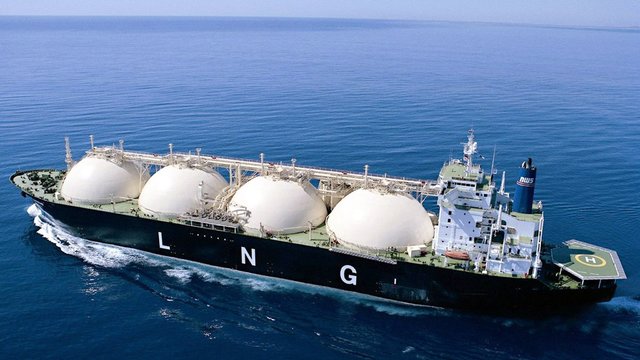
Buying LNG exported from Iran and Russia with the best price and the best quality.
Buying LNG exported
LNG
The gas stream is typically separated into the Liquefied Petroleum fractions (butane and propane), which can be stored in liquid form at relatively low pressure, and the lighter ethane and methane fractions.
These lighter fractions of methane and ethane are then liquefied to make up the bulk of LNG that is shipped.
Natural gas was considered to be economically unimportant wherever gas-producing oil or gas fields were distant from gas pipelines or located in offshore locations where pipelines were not viable.
In the past this usually meant that natural gas produced was typically flared, especially since unlike oil no viable method for natural gas storage or transport existed other than pipelines which required the immediate use by end users of the same gas. This meant that natural gas markets were historically entirely local and any production had to be consumed within the local network.
LNG export
Developments of production processes, cryogenic storage, and transportation effectively created the tools required to commercialize natural gas into a global market which now competes with other fuels.
Furthermore, the development of LNG storage also introduced a reliability in networks which was previously thought impossible.
Given that storage of other fuels is relatively easily secured using simple tanks, a supply for several months could be kept in storage.
With the advent of large scale cryogenic storage, it was possible to create long term gas storage reserves.
These reserves of liquefied gas could be deployed at a moment’s notice through regasification processes and today are the main means for networks to handle local peak shaving requirements.
Buying LNG
Uses
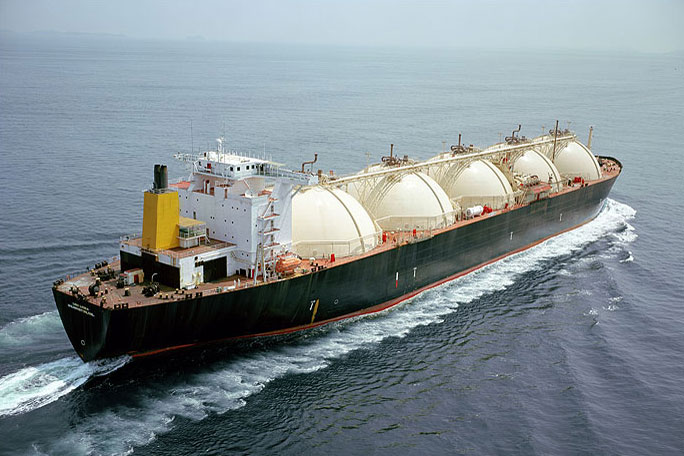
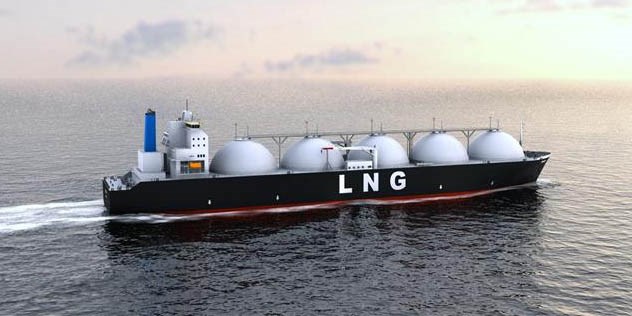
The primary use of LNG is to simplify transport of natural gas from the source to a destination.
On the large scale, this is done when the source and the destination are across an ocean from each other.
It can also be used when adequate pipeline capacity is not available. For large scale transport uses, the LNG is typically regassified at the receiving end and pushed into the local natural gas pipeline infrastructure.
LNG can also be used to meet peak demand when the normal pipeline infrastructure can meet most demand needs, but not the peak demand needs.
These plants are typically called LNG Peak Shaving Plants as the purpose is to shave off part of the peak demand from what is required out of the supply pipeline.
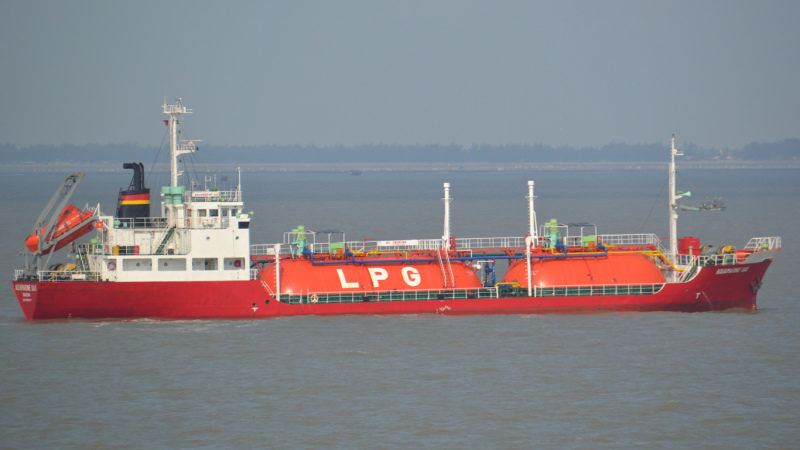
LNG can be used to fuel internal combustion engines. LNG is in the early stages of becoming a mainstream fuel for transportation needs.
There may be applications where LNG trucks, buses, trains and boats could be cost-effective in order to regularly distribute LNG energy together with general freight and/or passengers to smaller, isolated communities without a local gas source or access to pipelines.
LNG exported
Buying LNG exported
Petro pars Arghavan Company supplies petrochemical products and refineries at competitive prices from Iran, Russia and other countries.
Petro pars Arghavan Company consists of skilled specialists in the field of export, import, wholesale of petroleum products and chemicals.
Petro pars Arghavan Company is a large supplier to provide oil and refining products with competitive prices and the highest level of quality in the shortest possible time.
To buying LNG Exported from Iran and Russia, you can register your order by sending LOI And updated BCL to the company email.
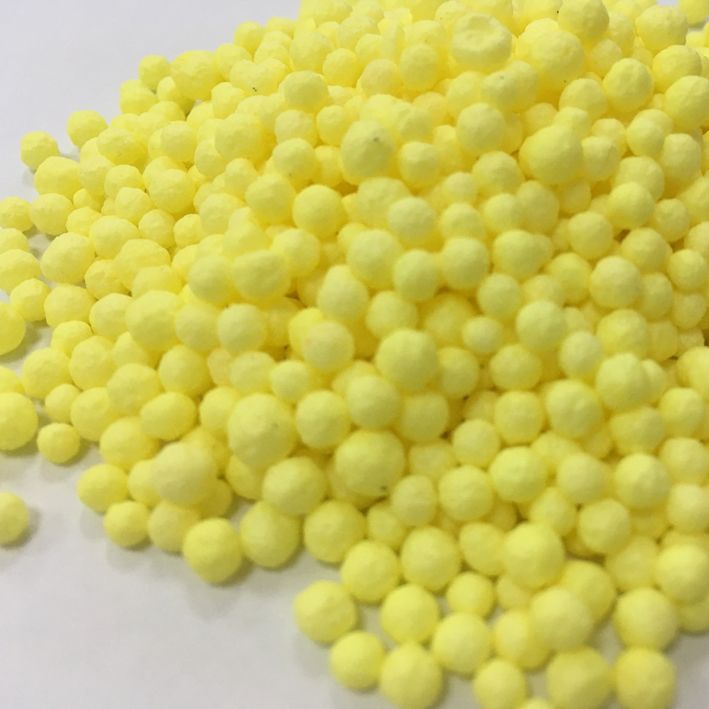
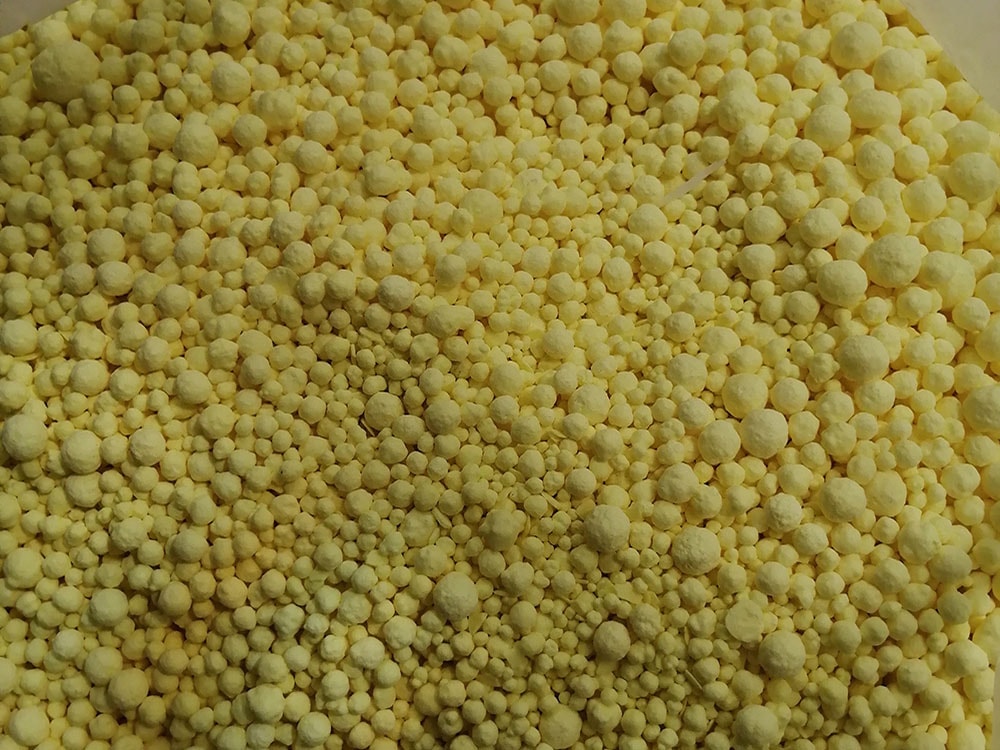
Buying Iranian granular sulfur with the best price and the best quality.
Buying Iranian granular sulfur
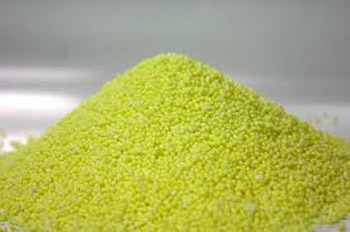
Granular sulfur
Granulation process is the process by which molten sulfur is converted into spheres or granules of specific granulation.
Annually, large amounts of sulfur are produced for export from our country’s oil and gas resources
And our country is one of the most important producers of sulfur in the world.
Iranian sulfur has a desirable quality and high purity.
So that in addition to meeting the needs inside the country, part of it is also exported abroad.
Iranian granular sulfur
Sulfur
Today, most sulfur is produced through oil and gas extraction and the sweetening process.
Sulfur is one of the most important agricultural and industrial raw materials and is a strategic product.
Sulfur is widely used in free and in combination.
But it is mostly used for the preparation of chemical compounds and intermediate products in the industrial cycle.
Sulfur supply method
The world’s sulfur is supplied from two main sources, mineral sulfur and process oil extraction sulfur.
granular sulfur
Application of sulfur
The highest consumption of sulfur in recent years has been in the agricultural industry and the preparation of phosphate fertilizers, which are usually used directly to reduce agricultural soil and produce sulfuric acid, matchmaking, spraying fungi and insecticides.
Sulfur in oil refining, copper separation and uranium refining, preparation of organic and inorganic chemicals,
Paints, paper and pulp, tanning, plating, power plants, sugar industry, starch production,
Production of synthetic fibers, pharmaceuticals and disinfection, non-metallic materials, food, soap industry
And detergents and detergents, batteries, synthetic rubber, sulfur concretes,
Various chemicals are also used as a source of welding material (rubber welding).
Sulfur is used to weld rubber. Sulfur is used as a fungicide as well as disinfectant and fertilizer. Sulfur is also used to make sulfuric acid. Sulfur is also used to make several types of paper, bleach, and as an electrical insulator.
Sulfur can be used in the production of chemicals, sulfuric acid, in agriculture and various industries such as plastics and many synthetic products, paper, paints and so on.
Granular sulfur is exported to many countries, which is one of the most important destinations in China.
sulfur
Buying Iranian granular sulfur
Petro pars Arghavan Company supplies petrochemical products and refineries at competitive prices from Iran, Russia and other countries.
Petro pars Arghavan Company consists of skilled specialists in the field of export, import, wholesale of petroleum products and chemicals.
Petro pars Arghavan Company is a large supplier to provide oil and refining products with competitive prices and the highest level of quality in the shortest possible time.
To Buying Iranian granular sulfur from Iran and Russia, you can register your order by sending LOI And updated BCL to the company email.
You can click here to send a request.
Buying naphtha from Iran and Russia with the best quality and the best purchase conditions and at a reasonable price.
Naphtha
What is Naphtha?
Naphtha is a group of liquid hydrocarbon compounds that are highly volatile and flammable.
In fact, naphtha is a general term and refers to compounds that are placed between crude oil and kerosene in crude oil distillation processes.
These compounds make up about 11% of crude oil.
In other words, naphtha is a class of hydrocarbon liquid fuels with high volatility and flammability.
It is said that in a distillation tower, crude oil is placed between light gases (such as LPG) and kerosene.
Most of the gas condensate, ie oil extracted from gas wells, is also composed of naphtha.
This liquid fuel can also be extracted from coal tar. Naphtha has a variety of uses.
The chemical and petrochemical industries are the main buyers of naphtha
Feed is used in the production of various petrochemical products, including solvents and diluents, raw materials for plastics, synthetic fibers and industrial alcohols.
naphtha from Iran
Naphtha compounds
These compounds contain 5-12 carbon atoms, which generally include paraffins, olefins, naphthenes, and aromatics.
Among these substances, the presence of aromatic compounds in naphtha causes a pungent odor that is also very harmful to humans.
Naphtha production method
The most important and common method of their production is crude oil distillation method.
Buying naphta
Application of naphtha
The applications of this category of compounds are very wide, the most important of which are:
Since the most important application of naphtha is its use to produce gasoline.
Naphtha is a raw material in the chemical and petrochemical industries as a feedstock for the production of various petrochemical products, including solvents and diluents.
Naphtha is used to make gasoline. Naphtha is also used as a solvent.
But NAFTA has a variety of other uses as well.
Raw materials for plastics, synthetic fibers and industrial alcohols are other applications.
Most dye thinners are made of naphtha and most ethylene plastic compounds are made with naphtha.
Catalytic processes can also be used to convert naphtha to high-octane gasoline and other petroleum fuels.
Naphtha is a very strong solvent with a variety of applications, so it is also used to produce detergents and other hydrocarbon refineries.
Production of coolants and varnishes as heating and cooking fuels (similar to liquefied petroleum gas and kerosene).
Buying naphta from Iran
Buying naphtha from Iran
Petro pars Arghavan Company supplies petrochemical products and refineries at competitive prices from Iran, Russia and other countries.
Petro pars Arghavan Company consists of skilled specialists in the field of export, import, wholesale of petroleum products and chemicals.
Petro pars Arghavan Company is a large supplier to provide oil and refining products with competitive prices and the highest level of quality in the shortest possible time.
To buying naphta from Iran and Russia, you can register your order by sending Letter of intent And updated bank confirmation letter to the company email.
You can click here to send a request.
Buying heavy hydrocarbons from Iran to Afghanistan, Pakistan and all over the world for export at the best price and best conditions.
Buying heavy hydrocarbons from Iran
Hydrocarbons
One of the derivatives of oil is a substance called hydrocarbon, which is composed of hydrogen and carbon molecules.
One of the refinery intermediate distillates, which has a distillation range of about 150 ° C to 385 ° C and has good performance in domestic and industrial burners of diesel internal combustion engines, is called heavy hydrocarbon.
hydrocarbon
Heavy hydrocarbons
Hydrocarbon is a type of organic chemical compound that consists only of the elements carbon and hydrogen.
Hydrocarbons are a major component of oil and natural gas.
Types of hydrocarbons
Aromatic hydrocarbons Alkanes, alkenes, cyclocanes and alkyne compounds are other types of hydrocarbons.
Most hydrocarbons are produced from thermal molecular breakdown and crude oil distillation.
hydrocarbon from Iran
Application of hydrocarbons
Hydrocarbons can be used as fuels and lubricants as well as raw materials for the production of plastics, fibers, rubbers, solvents, and industrial chemicals.
High amounts of hydrocarbons are used as fuel for combustion, especially in heating applications and engine fuels.
The main components of natural gas are methane and ethane.
With pentane, saturated hydrocarbons enter the room temperature range.
This makes them useful as organic solvents, cleaners and transportation fuels.
Gasoline for internal combustion engines in cars, trucks, tractors, lawns, etc., is ranked in terms of combustion properties relative to octane.
It is actually a combination of liquid hydrocarbons that extend from hexane to shop. Relatively larger hydrocarbons are known as kerosene, jet fuel, diesel fuel and heating oil.
Larger hydrocarbon molecules are also used as lubricating oils and lubricating oils.
heavy hydrocarbons from Iran
Buying heavy hydrocarbons from Iran
Petro pars Arghavan Company supplies petrochemical products and refineries at competitive prices from Iran, Russia and other countries.
Petro pars Arghavan Company consists of skilled specialists in the field of export, import, wholesale of petroleum products and chemicals.
Petro pars Arghavan Company is a large supplier to provide oil and refining products with competitive prices and the highest level of quality in the shortest possible time.
To buy heavy hydrocarbons from Iran and Russia, you can register your order by sending Letter of intent And updated bank confirmation letter to the company email.
You can click here to send a request.
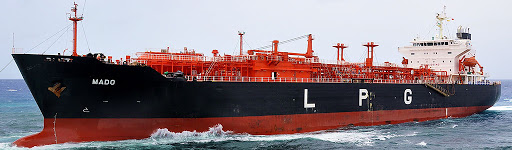
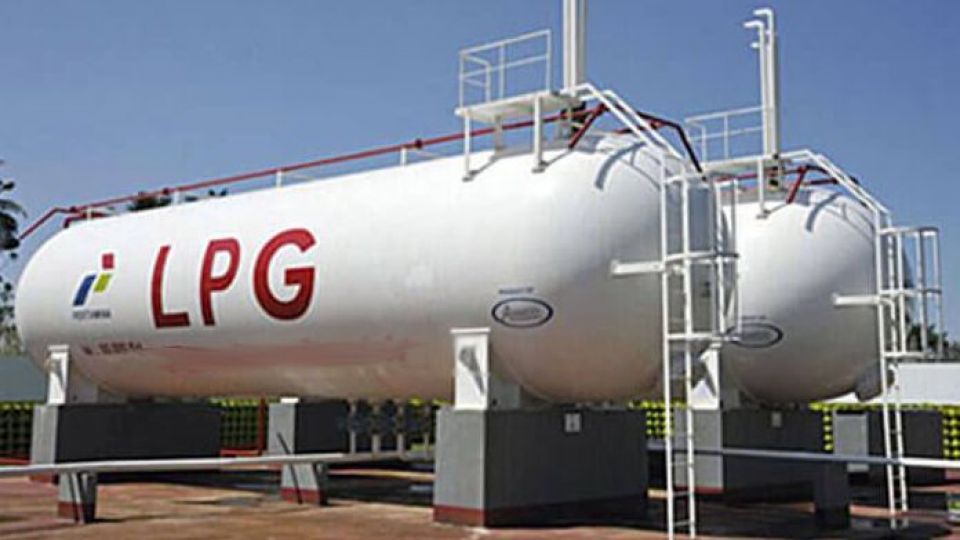
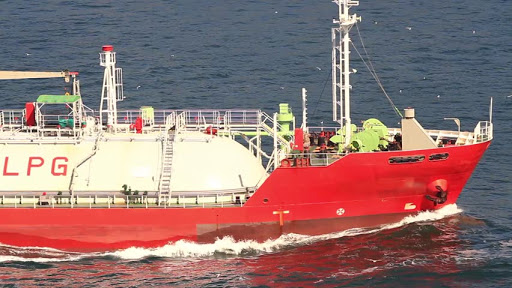
Buying LPG from Iran and Russia with the best conditions and the best quality
LPG
The LPG project should not be confused with the LNG (liquefied natural gas) project.
Aluminum is actually natural gas (mainly methane and ethane) that liquefies for easier and more economical transportation.
Cyanide is also a natural gas that is compressed to take up less space.
LPG from Iran
LPG resources in Iran and the world
Iran is the second country after Russia in terms of gas reserves.
Iran’s proven gas reserves as of 2005 were 27.5 trillion cubic meters, which is equivalent to 16% of the world’s total reserves.
Iran currently has more than 424 million cubic meters of gas per day for petrochemical units.
Power plants, domestic industries, oil well injection, domestic consumption and export
Produces to neighboring countries and international markets.
Al-Payji in the refinery is a by-product of natural gas refining and crude oil refining.
LPG
Application
LPG is mostly used for heating applications and as a fuel for vehicles.
The calorific value of liquefied petroleum gas is 46.1 megajoules / kg, which is higher than gasoline and fuel oil.
And at equal weight it produces higher energy but its calorific value
It is less in equal volume because it is gas and has less density.
Each liter of liquefied petroleum gas weighs 500 to 580 grams and each liter of gasoline weighs 710 to 770 grams.
This gas turns into a liquid at a temperature of 21 degrees Celsius under a maximum pressure of 8 kg per square centimeter.
And at the time of production, it has no color, smell or even taste.
Buying LPG
Buying LPG Iran
Petro pars Arghavan Company supplies petrochemical products and refineries at competitive prices from Iran, Russia and other countries.
Petro pars Arghavan Company consists of skilled specialists in the field of export, import, wholesale of petroleum products and chemicals.
Petro pars Arghavan Company is a large supplier to provide oil and refining products with competitive prices and the highest level of quality in the shortest possible time.
To buying LPG from Iran and Russia, you can register your order by sending Letter of intent and updated Bank Confirmation Letter to the company email.
You can click here to send a request to the company email.
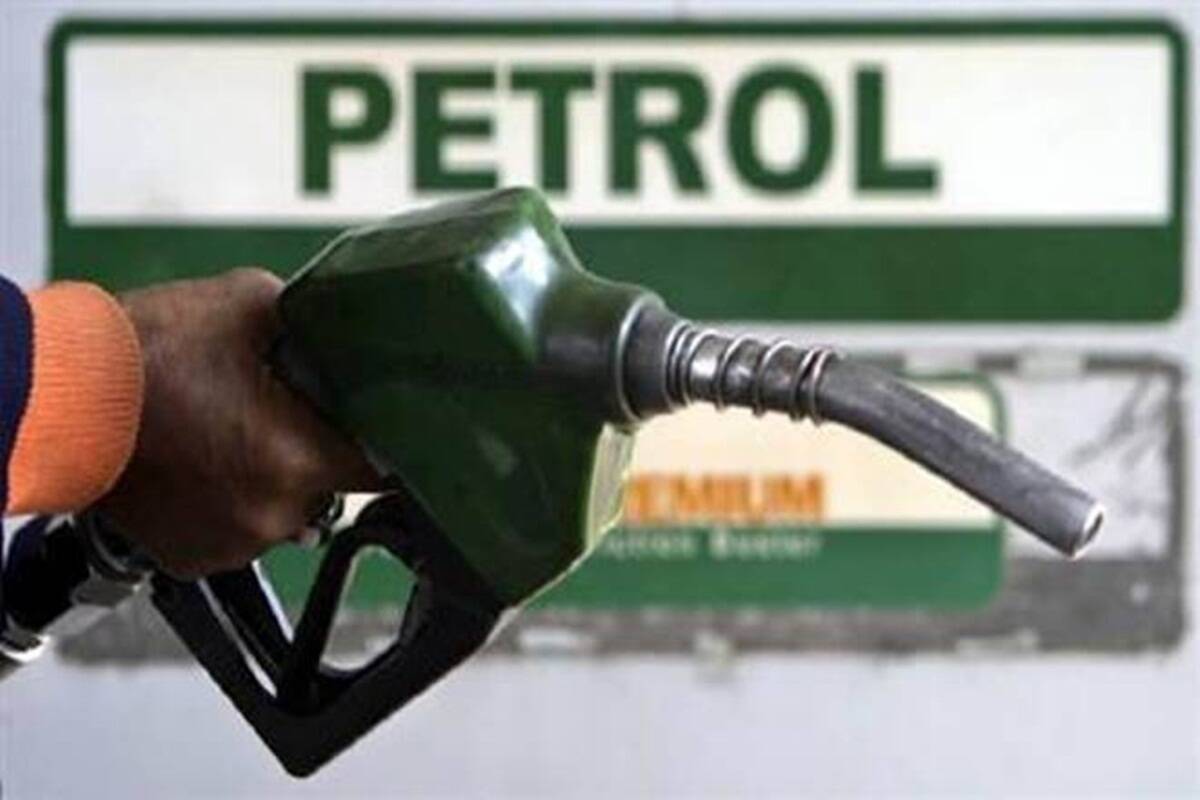
Buy gasoline from Iran and Russia with the best quality and the best conditions.
gasoline from Iran
Gasoline is a product that is produced from the refining of crude oil in refineries.
Hydrocarbon chains of different lengths are obtained by combining these separate chains
Together, different fuels such as gasoline, diesel, kerosene, etc. are obtained.
Buy gasoline from Iran
Gasoline paint and its functions
Gasoline paint is a simple product that is added to identify gasoline from other petroleum products at all stages of the refining and distribution process.
And its red color is the most consumed and is added to ordinary gasoline.
Petroleum products such as gasoline, super gasoline, diesel, kerosene, etc. are all transparent, colorless and water-like in appearance.
And they are not easily recognizable that in order to differentiate petroleum products and distinguish them from each other more easily, a small amount of special color is added to each of these products.
This product, although simple in appearance, plays a vital and important role
And that safety preservation seeks to identify it from the first stages of production in refineries to the stage of distribution and supply at gas stations, authorized and even unauthorized dealers.
This color, in addition to preventing the mistakes of the station managers and separating the super and ordinary gasoline during the sale, maintains the safety of most of the people who deal with it in any way.
Gasoline paint, which is most commonly used to identify super and regular gasoline from other products, is also used in other products.
But its main consumption is in gasoline and for this reason it is called gasoline paint.
This paint is very important in the refining industry and its absence will lead to many human and financial risks, because gasoline is a product with explosive and flammable properties and if it is confused with other products, it will cause irreparable damage.
For this reason, red color is added to gasoline, and now in refineries and stations in the country, red color has been chosen to differentiate ordinary gasoline.
And green is added to detect super gasoline.
gasoline from Iran
What is the octane number of gasoline?
The octane number of gasoline has nothing to do with its power, this number only indicates how much this fuel can be compressed before ignition.
The higher the octane number, the less likely it is to ignite under pressure.
Where does octane number come from:
When crude oil is refined in refineries, hydrocarbon chains of different lengths are obtained.
And these separate chains combine to produce different fuels such as gasoline, diesel, kerosene, and so on.
For example, you must have heard the letters methane, propane and butane, all of which are hydrocarbons.
. Methane has one atom, propane has 3 atoms and butane has 4 carbon atoms
. Other hydrocarbons include pentane with 5 atoms, hexane with 6 atoms, heptane with 7 atoms, and octane with 8 carbon atoms.
Various experiments have shown that heptane has a very weak compaction property and has a very high compaction capacity against octane.
So if gasoline has very high amounts of octane, it is very good in terms of self-combustion resistance.
In contrast, heptane will ignite very quickly due to low density, so given that these two hydrocarbons were almost identical in properties such as boiling point and evaporation,
They were chosen as the basis for the self-combustion resistance of the fuel against condensation, and by giving the number 100 to octane and 0 to heptane, a ratio called the octane number was obtained.
For example, gasoline with 87 octane number has a ratio of 87 octane to 13 heptane.
But making a fuel that contains this amount of octane will cost a lot of production, and these two substances are not the only constituents of gasoline at the moment.
And other materials and additives are responsible for raising the octane number or the same resistance to self-ignition or engine knock.
And the heptane-octane ratio is used only to create a comparative basis and as an ideal gasoline to determine the octane number.
gasoline from Iran
Factors affecting octane number:
1-Above sea level
The higher the altitude, the later the fuel will self-ignite, as if the octane number of the gasoline was higher.
If you have traveled with your car to low-lying areas such as the north of the country, you must have encountered a sharp increase in engine noise, which is also due to the effect of altitude on octane fuel.
To solve this problem, by adjusting the car brake, adjusting the engine with the device and filtering, the fuel self-ignition in these cars can be eliminated and the noise can be eliminated.
2-Humidity and air temperature
The higher the humidity, the higher the octane number
Also, as the temperature decreases, we will see an increase in this octane number again.
3-Other factors
Engine compression ratio, Delco advance and retard, engine operation, engine temperature, gasoline and air ratio, of course, vehicles equipped with ECU because they can measure the ratio of air and fuel
And if they enter the fuel in proportion to the engine speed, air temperature, oxygen concentration and کمتر into the engine, they will suffer less from the third case.
gasoline
Buy gasoline from Iran
Petro pars Arghavan Company supplies petrochemical products and refineries at competitive prices from Iran, Russia and other countries.
Petro pars Arghavan Company consists of skilled specialists in the field of export, import, wholesale of petroleum products and chemicals.
Petro pars Arghavan Company is a large supplier to offer oil and refining products with competitive prices and the highest level of quality in the shortest possible time.
To buy gasoline for export to Iran and Russia, you can register your order by sending an official request to the company’s e-mail. To send a request, you can click here.